Fiberglass is a storage-purpose box made of silicate fiber, mainly glass. Fiberglass boxes are used as storage containers in many industrial applications. For example, they are used to store life vests and flotation devices storage in docks and marinas. Read More…
With over 100 years combined experience, All Plastics and Fiberglass has the experience to handle all your fiberglass needs. No matter how large or small the job is, AP & F is committed to a process that ensures the highest quality fiberglass fabrications.

At Advanced Composites, we take pride in our ability to deliver precision fiberglass fabrication solutions that meet the highest standards of performance and reliability. We have dedicated ourselves to mastering the properties of fiberglass and other composite materials so that we can engineer products that balance strength, durability, and lightweight efficiency.
At Fiberglass Fabricators, we take pride in being a trusted partner for innovative fiberglass solutions. Our work is rooted in a deep understanding of fiberglass as a material that offers strength, versatility, and durability across countless industries. Over the years, we have honed our capabilities to deliver high-quality fiberglass fabrication that meets the precise needs of our customers,...

Our world class steel grates are designed for longevity and usability. We can supply a plethora of secondary operations including: sawing, shearing, forming, welding, punching, drilling, plasma cutting, burning, rolling and more. Our teams have the skills to handle virtually any project that requires extensive custom fabrication. Please give us a call today to learn more information!


More Fiberglass Box Companies
Fiberglass boxes deliver robust, versatile solutions for a wide variety of storage, enclosure, and protection needs across residential, commercial, industrial, and marine environments. At home, these fiberglass enclosures are commonly used as containers for household items such as fire extinguishers, pool equipment, or fishing tackle boxes. Because of their exceptional leak resistance and chemical durability, fiberglass boxes are ideal for storing liquid products, including batteries, paint, and cleaning solutions, which may be prone to fluid leaks. Their non-corrosive properties also make them a preferred choice in locations exposed to moisture or harsh weather.

The Principle and Construction of Fiberglass Boxes
Fiberglass boxes are engineered using reinforced fiberglass composites, combining glass fibers and resin to produce durable, lightweight, and impact-resistant enclosures. The versatility of fiberglass allows for a variety of shapes, sizes, and configurations, making them suitable for diverse applications. For example, electrical outlet fiberglass boxes, window flower fiberglass planters, and custom-molded enclosures for sensitive equipment all leverage the material’s innate strength and adaptability. These boxes can be sanded and painted to enhance their appearance and blend seamlessly into their environment.
One notable use of fiberglass boxes is in automotive audio equipment installations. Custom-shaped fiberglass subwoofer enclosures, speaker mounts, and electronic component housings are designed to fit snugly in a vehicle’s trunk or cabin, optimizing both aesthetics and acoustic performance. The ability to decorate, paint, or finish fiberglass boxes in various colors and textures allows for personalization to match a vehicle’s interior or exterior design. Most importantly, these enclosures provide robust protection for subwoofers, CD changers, amplifiers, and speakers, ensuring longevity and safety during vehicle operation.

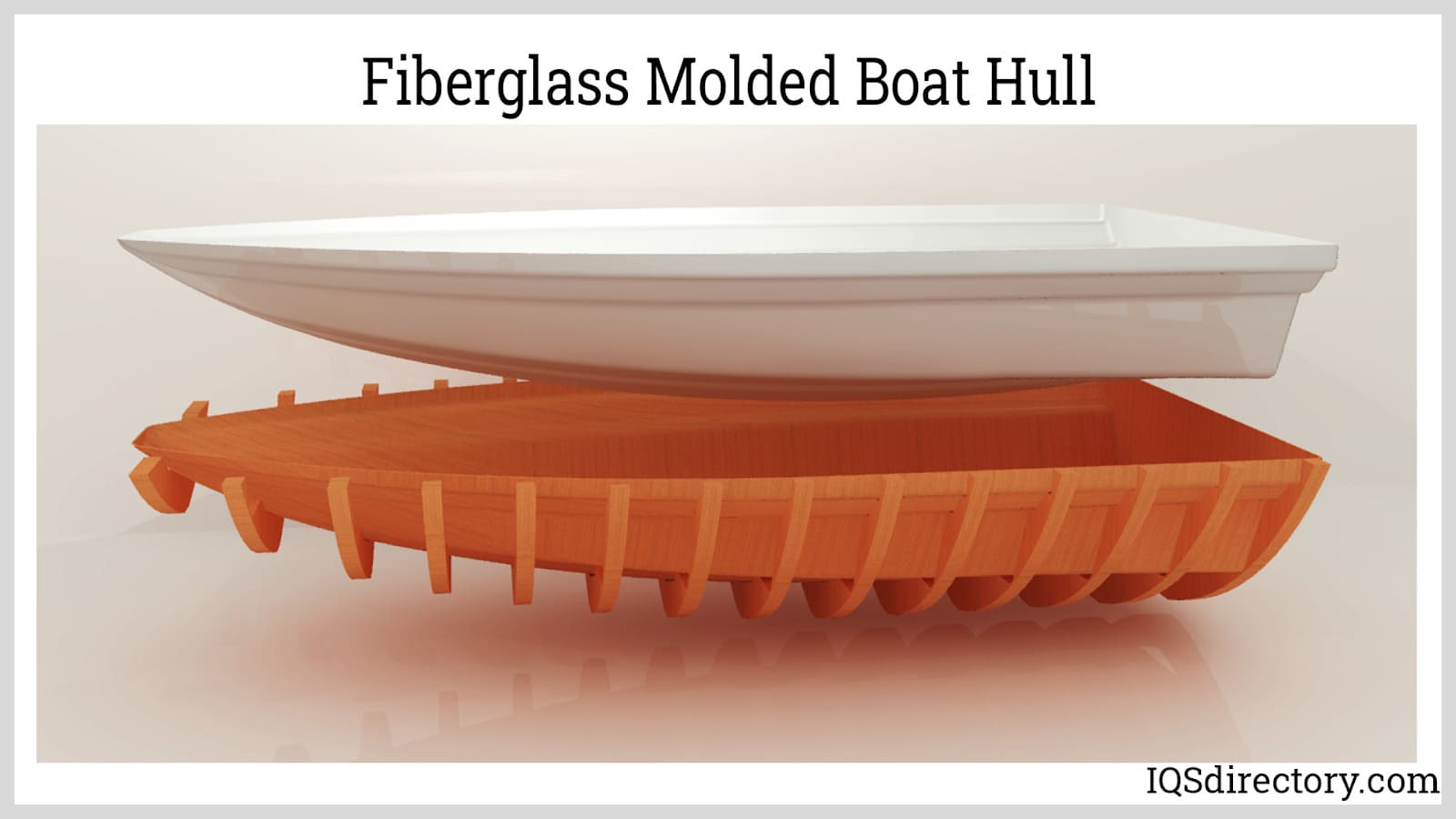
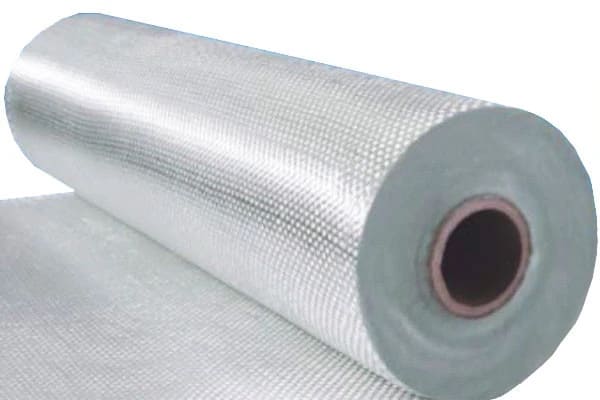
The manufacturing of fiberglass boxes typically involves advanced closed-molding techniques, such as resin transfer molding (RTM) or compression molding. In the closed molding process, layers of fiberglass mat are combined with a thermosetting resin and gel coat inside a precision-engineered mold. The assembly is then heated and pressurized, curing the composite into a rigid, durable structure. This process ensures consistent quality, excellent surface finish, and repeatable production for high-performance enclosures.
Types of Fiberglass Boxes and Enclosures
Premier Series Fiberglass Boxes
Premier series fiberglass boxes represent the gold standard for housing electrical and electronic controls, instrumentation, and sensitive equipment. These industrial-grade enclosures are specifically engineered to protect internal components from windblown dust, rain, corrosion, and splashing water. Their rugged construction makes them ideal for use in manufacturing facilities, utilities, wastewater treatment plants, and outdoor power distribution networks.

Premier series fiberglass boxes are crafted from lightweight, hot compression-molded fiberglass reinforced polyester (FRP). They feature a polyurethane seamless gasket that delivers a watertight and dust-tight environmental seal, critical for NEMA-rated and IP-rated enclosures. Their non-conductive, impact-resistant construction ensures superior protection for sensitive electronic equipment, data acquisition systems, and control panels in both indoor and outdoor environments.
Defining Characteristics of Premier Series Fiberglass Boxes
- Non-conductive and highly impact-resistant, ideal for electrical and electronic enclosures.
- Constructed from lightweight, hot compression-molded fiberglass reinforced polyester (FRP) for strength, UV resistance, and durability.
- Poured polyurethane seamless gasket provides long-lasting waterproof, dust-tight, and weatherproof environmental sealing.
- Smooth, easy-to-clean surfaces due to captive screws and precision molding.
- Corrosion-resistant exterior hardware made from 300-series stainless steel for maximum longevity, even in marine or chemical environments.
- Integral mounting bosses with brass inserts and threaded holes for secure installation of internal components or panels.
- Rounded corners and edges help prevent the accumulation of dust, debris, and moisture, simplifying maintenance.
- Available in multiple configurations: hinged quick-release cover, transparent cover for easy inspection, and hinged screw cover for added security.
Pushbutton Series Fiberglass Boxes
Pushbutton series fiberglass boxes are precisely designed for mounting standard oil-tight push buttons, control switches, pilot lights, and emergency stop controls. Engineered for harsh and hazardous environments, these enclosures protect sensitive controls from corrosion, water ingress, dust, and accidental impacts. Their IP and NEMA enclosure ratings make them suitable for use in industrial automation, food processing, petrochemical plants, and mining operations.
Essential Characteristics of Pushbutton Series Fiberglass Enclosures
- Lightweight, hot compression-molded fiberglass reinforced polyester construction for superior strength and chemical resistance.
- Poured polyurethane gasket ensures a secure, waterproof, and dust-tight seal, ideal for wet or washdown environments.
- Non-conductive, impact-resistant, and corrosion-proof, ensuring electrical safety and long service life.
- Exterior hardware, including push buttons and switches, mounted securely in non-rotatable stainless steel keyholes for reliability.
- Rounded edges and smooth captive screw heads reduce risk of dust accumulation and allow for easy cleaning.
- Available in single- and multi-hole configurations for various control layouts and operator interfaces.
Fiberglass Boxes vs. Polycarbonate Boxes: Which is Best for Your Application?
When selecting an enclosure for electrical, electronic, or industrial applications, buyers often compare fiberglass boxes with polycarbonate boxes. Each material offers unique advantages depending on the use case:
- Fiberglass enclosures are renowned for their superior mechanical strength, high impact resistance, and outstanding electrical insulation properties. They excel in continuously wet, corrosive, or high-UV environments, making them ideal for outdoor, marine, wastewater, and chemical plant applications. Their resistance to salt, moisture, and acids ensures long service life in harsh conditions.
- Polycarbonate enclosures are favored for applications involving organic solvents, exposure to direct sunlight, or environments requiring clear or transparent covers. While polycarbonate is lightweight and cost-effective, it may not offer the same level of corrosion resistance or rigidity as fiberglass, especially in extreme temperatures or aggressive chemical environments.
Another key factor is cost: fiberglass boxes are often more economical to manufacture in large volumes and are cost-effective to repair or replace, even in the unlikely event of failure. For buyers prioritizing longevity, environmental resistance, and robust protection, fiberglass delivers excellent value and reliability.
Applications of Fiberglass Boxes: Where Are They Used?
Fiberglass boxes are utilized in a broad spectrum of industries and environments, offering tailored solutions for storage, protection, and equipment mounting. Common applications include:
- Automotive and marine audio installations: custom fiberglass subwoofer enclosures, amplifier mounts, and speaker boxes designed for acoustics and durability.
- Electrical junction boxes and industrial control panels: weatherproof, non-conductive enclosures for wiring, circuit breakers, and control systems.
- Storage enclosures for hazardous or sensitive materials, tools, and valuable equipment.
- Lockers and secure storage cabinets for life vests, safety equipment, and maintenance tools on docks, marinas, and industrial sites.
- Liquid containment boxes: leak-resistant enclosures for batteries, chemical containers, paints, and pool chemicals, minimizing risk of environmental contamination.
- Fire extinguisher and first aid kit cabinets: offering weatherproof, tamper-resistant protection in commercial, marine, and industrial settings.
- Fishing tackle boxes and pool equipment storage, taking advantage of fiberglass’s resistance to rust, corrosion, and water exposure.
- Telecommunication and utility equipment housings: protecting sensitive electronics from electrical interference and harsh weather.
- Outdoor lighting control panels and solar power system enclosures: UV-stable, lockable, and non-corrosive boxes for electrical infrastructure.
Benefits of Fiberglass Boxes and Enclosures
Why do engineers, facility managers, and homeowners increasingly choose fiberglass enclosures over metal or plastic alternatives? The following benefits set fiberglass apart as the optimal material for modern storage and protection needs:
1. Superior Mechanical Strength & Durability
Fiberglass enclosures offer greater structural integrity than similar gauge sheet metal or thermoplastics. Their high impact resistance means they can withstand accidental drops, heavy loads, or vandalism, reducing the risk of breakage or failure. This makes fiberglass boxes ideal for high-traffic public areas, factories, and outdoor installations.
2. Corrosion and Chemical Resistance
Unlike steel or aluminum, fiberglass does not corrode, rust, or degrade in salty, humid, or chemically aggressive environments. This makes fiberglass boxes a preferred choice for coastal installations, chemical processing plants, and wastewater treatment facilities. Their resistance to acid, alkali, and saltwater ensures a long, maintenance-free service life.
3. Non-Conductivity and Electrical Safety
Fiberglass is inherently non-conductive and radio frequency (RF) transparent, making it the best material for housing electrical and electronic devices without risk of electrical shock or RF interference. This is essential for enclosures protecting sensitive control panels, data acquisition devices, or telecommunications equipment.
4. Moisture and Weather Resistance
Fiberglass boxes repel water and do not absorb moisture, ensuring optimal performance even in rain, snow, or humid conditions. Should fiberglass insulation or the enclosure become wet during installation, a thorough inspection and drying process restore its full insulation value and functionality. This moisture resistance is vital for marine, outdoor, and subterranean applications.
5. Fire and Flame Resistance
Fiberglass is self-extinguishing and flame-resistant, an important safety feature for enclosures installed in proximity to flammable materials, electrical equipment, or high-heat industrial processes. This characteristic also supports compliance with stringent fire codes and safety standards.
6. Lightweight and Easy to Install
Despite its strength, fiberglass is significantly lighter than steel or cast aluminum. This reduces shipping costs, minimizes the need for heavy lifting equipment, and allows for easy installation even in challenging or elevated locations. Its light weight also lowers freight costs and facilitates retrofitting or relocation of enclosures as needed.
7. Design Flexibility and Customization
Engineers and designers benefit from fiberglass’s virtually unlimited molding potential. Complex shapes, multi-compartment enclosures, and aesthetic surface finishes are all achievable with fiberglass fabrication. Custom painting, texturing, and labeling further enhance visual integration and functionality.
8. Acoustic Performance
The dense matrix of fiberglass absorbs sound waves, making it ideal for use in audio equipment enclosures and applications where noise reduction is a priority. Fiberglass’s ability to dampen sound is valuable for machinery housings, HVAC systems, and building acoustics.
9. Environmentally Friendly Manufacturing
Fiberglass insulation and many enclosure products are manufactured with a high percentage of recycled glass and naturally occurring silica sand. This reduces landfill waste and minimizes environmental impact. Some fiberglass insulation products contain up to 80% recycled content, making them a sustainable choice for green building and eco-conscious applications.
10. Cost-Effectiveness
Fiberglass enclosures typically offer lower total cost of ownership compared to metal alternatives. Reduced maintenance, fewer warranty claims, and decreased shipping expenses all contribute to long-term savings. The stable price of fiberglass, unaffected by fluctuating steel markets, ensures predictable budgeting for projects large and small.
How to Choose the Right Fiberglass Box for Your Project
Selecting the ideal fiberglass enclosure requires considering several factors:
- Intended application: Is the box for electrical controls, hazardous material storage, or outdoor equipment?
- Environmental conditions: Will the enclosure face exposure to chemicals, salt spray, UV light, or extreme temperatures?
- Required certifications: Does your application demand NEMA, UL, or IP ratings for safety and ingress protection?
- Mounting and access: Does your project require wall-mount, pole-mount, flush-mount, or freestanding enclosures?
- Customization: Are custom holes, cutouts, or colors needed to integrate with existing infrastructure?
- Budget and lead time: What is your required delivery schedule, and are there volume discounts available?
Looking for expert advice?
Start with our Fiberglass Box Buyer’s Guide or contact our engineering team for personalized recommendations.
Choosing the Right Fiberglass Box Manufacturer
To ensure the best results when purchasing fiberglass boxes, it’s crucial to partner with a reputable, experienced manufacturer. Here’s how to make an informed decision:
- Compare several companies using our directory of fiberglass box manufacturers, each with a detailed business profile highlighting their expertise, production capabilities, and certifications.
- Review each manufacturer’s website using our proprietary website previewer to quickly understand their product offerings, customization options, and industry focus.
- Use our user-friendly RFQ (Request for Quote) form to contact multiple fiberglass box companies simultaneously, streamlining the procurement process.
- Request samples, technical datasheets, and case studies to assess product quality and suitability for your project.
- Evaluate after-sales support, warranty terms, and delivery timelines to ensure a smooth project execution.
Ready to take the next step?
Browse our directory of leading fiberglass box manufacturers or request a quote for your specific requirements today.
Frequently Asked Questions About Fiberglass Boxes
- What is the lifespan of a fiberglass box? Fiberglass boxes can last decades with minimal maintenance, especially when installed in accordance with manufacturer recommendations and protected from extreme impacts.
- Can fiberglass boxes be used outdoors? Yes, fiberglass boxes are highly suitable for outdoor use due to their UV resistance, weatherproof seals, and ability to withstand harsh environmental conditions.
- Are fiberglass enclosures fireproof? While not completely fireproof, fiberglass is flame-resistant and self-extinguishing, making it a safer choice than many plastics or metals in environments with fire risk.
- Can I drill, cut, or modify a fiberglass box? Absolutely. Fiberglass can be easily drilled, cut, or machined with standard tools for custom holes, conduit knockouts, or mounting hardware.
- What certifications are available for fiberglass boxes? Many fiberglass enclosures are available with NEMA, UL, or IP ratings to meet industry-specific requirements for ingress protection, safety, and performance.
- How do I clean and maintain a fiberglass enclosure? Simply use mild soap and water, avoiding abrasive cleaners. Routine inspection for seal integrity and hardware tightness is recommended for long-term reliability.
Still have questions?
Contact our fiberglass enclosure experts for detailed support and application guidance.
Start Your Fiberglass Box Project Today
Whether you’re searching for a rugged outdoor electrical enclosure, a custom-molded audio box, or a corrosion-proof storage solution, fiberglass boxes deliver unmatched versatility, strength, and performance. Leverage the benefits of fiberglass for your next project and experience peace of mind knowing your equipment, materials, and valuables are protected by industry-leading technology.
To get started:
- Submit a quote request to compare pricing and options from pre-screened manufacturers.
- Connect with our team for personalized engineering and design assistance.
Experience the superior protection, customization, and value that only fiberglass boxes and enclosures can provide. Discover why leading industries, contractors, and homeowners trust fiberglass for their most demanding applications.
 Fiberglass Fabricators
 Injection Molded Plastics
 Plastic Blow Molding
 Plastic Dip Molding
 Plastic Extrusions
 Plastic Tubing
 Polyurethane Molding
 Rotational Molding
 Vacuum Forming
 Castings & Forgings
 Bulk Material Handling
 Electrical & Electronic Components
 Flow Instrumentation
 Hardware
 Material Handling Equipment
 Metal Cutting Services
 Metal Forming Services
 Metal Suppliers
 Motion Control Products
 Plant & Facility Equipment
 Plant & Facility Supplies
 Plastic Molding Processes
 Pumps & Valves
 Recycling Equipment
 Rubber Products & Services